How to use the motorcycle tyre guide for smarter tyre selection
Everything about the Vital Motorcycle Tyre Overview for Optimum Bike Upkeep and Efficiency
The Vital Motorbike Tire Guide works as a crucial resource for bikers looking for to boost their bike's efficiency and safety. motorcycle tyre guide. It gives understandings into numerous tyre kinds and specifications that affect managing and resilience. In addition, understanding appropriate upkeep practices can greatly extend tyre life. Many bikers forget important aspects that influence their riding experience. Discovering these aspects can bring about informed decisions that eventually boost both safety and enjoyment when traveling
Understanding Motorcycle Tyre Kind
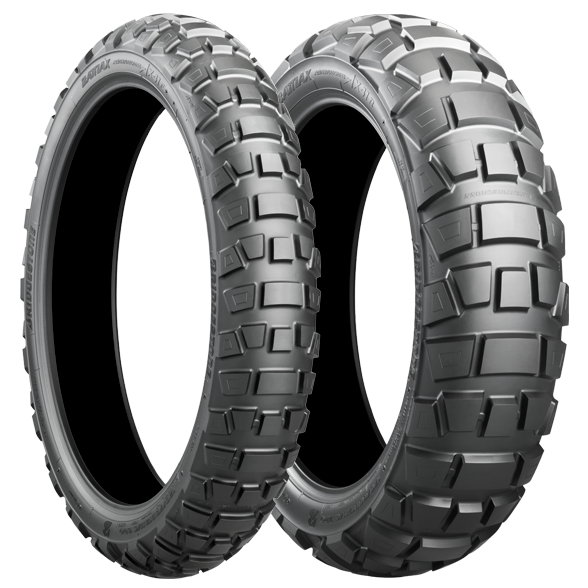
When selecting bike tyres, comprehending the numerous types available is vital for peak performance and security. Motorcyclists come across various tyre categories, each made for specific riding designs and problems. For instance, sporting activity tyres stress grasp and responsiveness, making them ideal for high-performance bikes and track usage. Exploring tires, on the other hand, concentrate on toughness and comfort, suitable for long-distance experiences. Off-road tires include hostile step patterns, supplying traction on unequal surfaces, while dual-sport tyres use convenience for bikers who change between on-road and off-road conditions.Additionally, cruiser tyres are made for stability and a smooth experience, accommodating the special needs of cruisers and touring bikes. Understanding these categories enables bikers to choose tires that align with their riding practices and environmental conditions, eventually improving both safety and efficiency. Each type plays an essential function in ensuring an exceptional riding experience tailored to the individual motorcyclist's demands.
Secret Tyre Specs Described
Selecting the appropriate motorbike tires entails greater than simply comprehending the different types; it additionally needs familiarity with essential specifications that influence performance and safety and security. Key requirements consist of tyre size, which is generally shared as a collection of numbers indicating width, facet proportion, and edge diameter. This code is vital for ensuring compatibility with the motorcycle.Another vital requirements is the load index, indicating the optimum weight a tyre can support. The rate ranking represents the maximum rate a tyre can safely handle, critical for performance enthusiasts.Additionally, tread pattern and rubber compound influence hold, stability, and wear attributes. Tyres with a softer compound often tend to offer much better grip yet wear faster, while more challenging compounds last much longer yet may compromise grip. Understanding these requirements allows cyclists to make educated decisions, boosting both their security and riding experience.
Just how to Select the Right Tyres for Your Bike
Just how can a motorcyclist guarantee they choose the right tyres for their motorcycle? Picking the proper tyres involves understanding the details demands based on riding style, terrain, and weather conditions. Riders ought to first seek advice from the motorcycle's handbook to recognize advised tyre sizes and specifications.Next, they have to review the sort of riding they prepare to do-- whether it's travelling, exploring, or off-road. Each classification has unique tyre layouts customized for height performance.Additionally, bikers should assess walk patterns; deeper footsteps provide far better grasp in damp conditions, while shallower footsteps enhance security on dry surfaces.Lastly, it is vital to check out the tyre's construction and material, as these factors influence sturdiness and handling (motorcycle tyre guide). By evaluating these aspects carefully, a motorcyclist can with confidence choose tyres that enhance safety, efficiency, and total riding experience
The Importance of Tyre Pressure and Upkeep
Tire stress is a significant element of bike maintenance that directly influences safety and performance. Maintaining the right tyre pressure guarantees ideal call with the road, boosting hold and security during rides. Under-inflated tyres can cause raised rolling resistance, resulting in bad gas effectiveness and excessive endure the tires. Alternatively, over-inflated tyres might decrease and trigger an extreme adventure traction, especially in wet conditions.Regularly monitoring tire stress, ideally before each adventure, is very important to preserving the motorcycle's general efficiency. Riders need to describe the supplier's specs for the recommended pressure degrees. In addition, checking tyre condition and adjusting pressure according to load and riding problems is essential for safety. Appropriate tire maintenance adds to expanded tire lifespan, far better handling, and enhanced braking performance. Ultimately, regular interest to tyre stress and maintenance is essential for assuring a secure and pleasurable riding experience.
Identifying Indicators of Tyre Wear and Damages
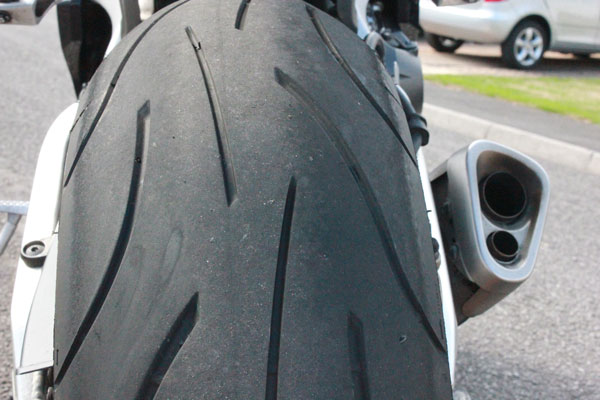
Acknowledging indications of tyre wear and damage is crucial for maintaining motorbike security and efficiency. Key indications include evaluating walk deepness and conducting a complete visual examination for any type of noticeable damage. Resolving these factors immediately can stop additional problems when traveling.
Tread Depth Assessment
As bikers take to the roads, the value of reviewing tread deepness can not be overstated, given that used or damaged tyres can considerably impact safety and efficiency. Tread deepness straight affects grip, braking range, and cornering security. To evaluate tread deepness, cyclists need to utilize a walk depth gauge, gauging the grooves at various points across the tyre. A deepness of 2mm or much less shows considerable wear and demands immediate substitute. Furthermore, cyclists can employ the "dime test" by inserting a coin right into the walk; if the top of Lincoln's head shows up, the tire is also put on. Routine checks guarantee peak grip on varied road conditions, advertising a safer riding experience while improving the general handling of the motorbike.
Visual Damage Examination
Inspecting motorbike tyres for aesthetic damages is vital for keeping security when driving. Riders should consistently take a look at tyres for indicators of wear such as splits, bulges, or punctures. Uneven wear patterns may indicate positioning concerns or improper rising cost of living, resulting in endangered efficiency. In addition, examining for international objects embedded in the walk can prevent possible blowouts. Riders should pay attention to the sidewalls, as any type of cuts or abrasions can weaken the tyre's structure. Ensuring that the walk is cost-free from excessive wear is essential for excellent grip. Routine visual evaluations not only enhance security however likewise lengthen the life of the tires, making certain a smoother and more dependable riding experience. Timely detection of damages can protect against pricey repair services and mishaps.
Seasonal Tire Considerations for Various Riding Problems
When considering motorbike tires, seasonal problems play an important duty in efficiency. In wet weather condition, tyres created for improved grasp and water displacement end up continue reading this being necessary for safety and security. Furthermore, winter season riding calls for details tire qualities to guarantee peak grip on cool, potentially icy surfaces.
Wet Climate Performance
Damp weather existing one-of-a-kind challenges for motorcyclists, making the option of tyres critical for safety and security and performance. Tires designed for damp weather condition generally feature deeper treads and specialized rubber substances that enhance hold on unsafe surface areas. These tyres are crafted to carry water away, decreasing the danger of aquaplaning and enhancing security throughout rain. Motorcyclists need to consider tyres with a well balanced layout, providing both grip and sturdiness in wet problems. Furthermore, keeping proper tyre stress is vital, as under-inflated tyres can jeopardize efficiency. Routine examinations for wear and damages are essential to ensure peak function when confronted with rain-soaked roadways. Choosing proper wet-weather tyres ultimately adds to a more secure and extra delightful riding experience.
Wintertime Tire Needs
Riding in wintertime problems poses distinct obstacles that necessitate certain tyre needs to ensure safety and security and efficiency. Winter season motorbike tires are made with deeper treads and softer rubber substances, offering boosted hold on cold and slippery surfaces. This is essential for maintaining grip on ice, snow, and damp roadways. Additionally, wintertime tires frequently feature an unique walk pattern that helps network water away, minimizing the risk of aquaplaning. Bikers need to likewise take into consideration the tyre's temperature level strength, as efficiency can decrease in severe cold. It is crucial to consistently inspect tyre stress, as it can drop substantially in reduced temperatures. By selecting the appropriate winter season tires, bikers can browse extreme conditions with greater confidence and security, making certain a more secure riding experience.
Tips for Proper Tire Storage Space and Durability
Proper tyre storage is vital for keeping their long life and performance gradually, as overlooking this facet can bring about premature degeneration. To assure excellent storage, it is important to maintain tyres in a trendy, completely dry setting away from straight sunlight and resources of warm, such as furnaces or radiators. Too much warmth can create rubber substances to break down, jeopardizing the tyre's integrity.Additionally, tires must be stored upright or piled horizontally, depending upon their kind. If piled, it is a good idea to turn them occasionally to avoid flat areas. Correct inflation is likewise vital; tyres ought to be pumped up to the supplier's suggested pressure to avoid deformation.Lastly, it is advantageous to cover tyres with a protective material to secure them from dust and pollutants. Complying with these suggestions will certainly aid expand the life of motorbike tires, guaranteeing they continue to be risk-free and reliable for usage when the riding season returns to.
Regularly Asked Concerns
How Typically Should I Change My Motorcycle Tyres?
Can I Mix Different Tire Brands on My Motorbike?
Mixing different tyre brands on a motorbike is usually not suggested. Variants in walk patterns, rubber substances, and efficiency qualities can cause unforeseeable handling and jeopardized safety, possibly boosting the risk of crashes.
What Is the Life expectancy of a Motorbike Tire?
The lifespan of a motorbike tyre normally ranges from 5,000 to 15,000 miles, influenced by factors such as riding tyre, style, and terrain maintenance. Routine inspections can aid ensure peak performance and safety throughout their use.
How Do I Get Rid Of Old Motorbike Tyres?
When disposing of old motorbike tyres, they should be taken to marked recycling facilities. Numerous regional waste management solutions likewise supply tyre disposal programs, making certain eco-friendly handling and conformity with local laws concerning tire waste.
Exist Any Kind Of Tyre Warranties Available for Motorbikes?
Many bike tyre suppliers use guarantees that cover problems in material and workmanship. The specifics differ by brand and version, this contact form so it's essential for bikers to assess individual warranty terms prior to buying new tires. Off-road tyres include hostile tread patterns, supplying grip on unequal surfaces, while dual-sport tyres use adaptability for bikers who change between off-road and on-road conditions.Additionally, cruiser tyres are made for stability and a smooth ride, providing to the special demands of cruisers and visiting bikes. Each group has distinct tyre styles tailored for optimal performance.Additionally, riders ought to examine tread patterns; deeper treads supply much better grasp in wet problems, while shallower treads boost stability on dry surfaces.Lastly, it is necessary to examine the tyre's building and construction and material, as these aspects influence toughness and handling. Correct tire upkeep adds to prolonged tyre lifespan, better handling, and boosted braking efficiency. Appropriate useful source rising cost of living is also essential; tyres must be pumped up to the manufacturer's advised stress to prevent deformation.Lastly, it is valuable to cover tires with a protective product to secure them from dust and impurities. The life expectancy of a bike tyre typically ranges from 5,000 to 15,000 miles, affected by variables such as riding style, surface, and tyre maintenance.